Ensuring verifiable proof of recycled content at fibre level
With regulatory pressure increasing and recycled content under growing scrutiny, New Focus Textiles partnered with Haelixa to move beyond certification-based claims and establish verifiable proof at material level across its textile-to-textile operations.
The Challenge
As textile-to-textile recycling scales, proving recycled content becomes increasingly difficult.
Once cotton is shredded, blended and respun, fibre identity is lost and can no longer be verified visually or chemically.
For New Focus Textiles, key challenges included:
- Loss of fibre identity after shredding and mechanical recycling.
- Reliance on paper-based certifications, which do not physically link claims to fibres.
- Risk of substitution or dilution when recycled and virgin fibres are processed in parallel.
- Increased scrutiny of recycled claims under EU Green Claims, CSRD, and Digital Product Passport requirements.
Without a physical link between recycled waste and finished fabric, even well-intentioned recycling systems remain exposed to credibility and compliance risk.
Eliminating Greenwashing Risk
Unverified recycled claims undermine trust across the value chain. Brands, auditors, and regulators increasingly require proof, not promises. For New Focus Textiles, maintaining confidence in its T2T™ (Textile-to-Textile) recycling programme meant embedding traceability at fibre level, not relying on documentation alone.
The Solution
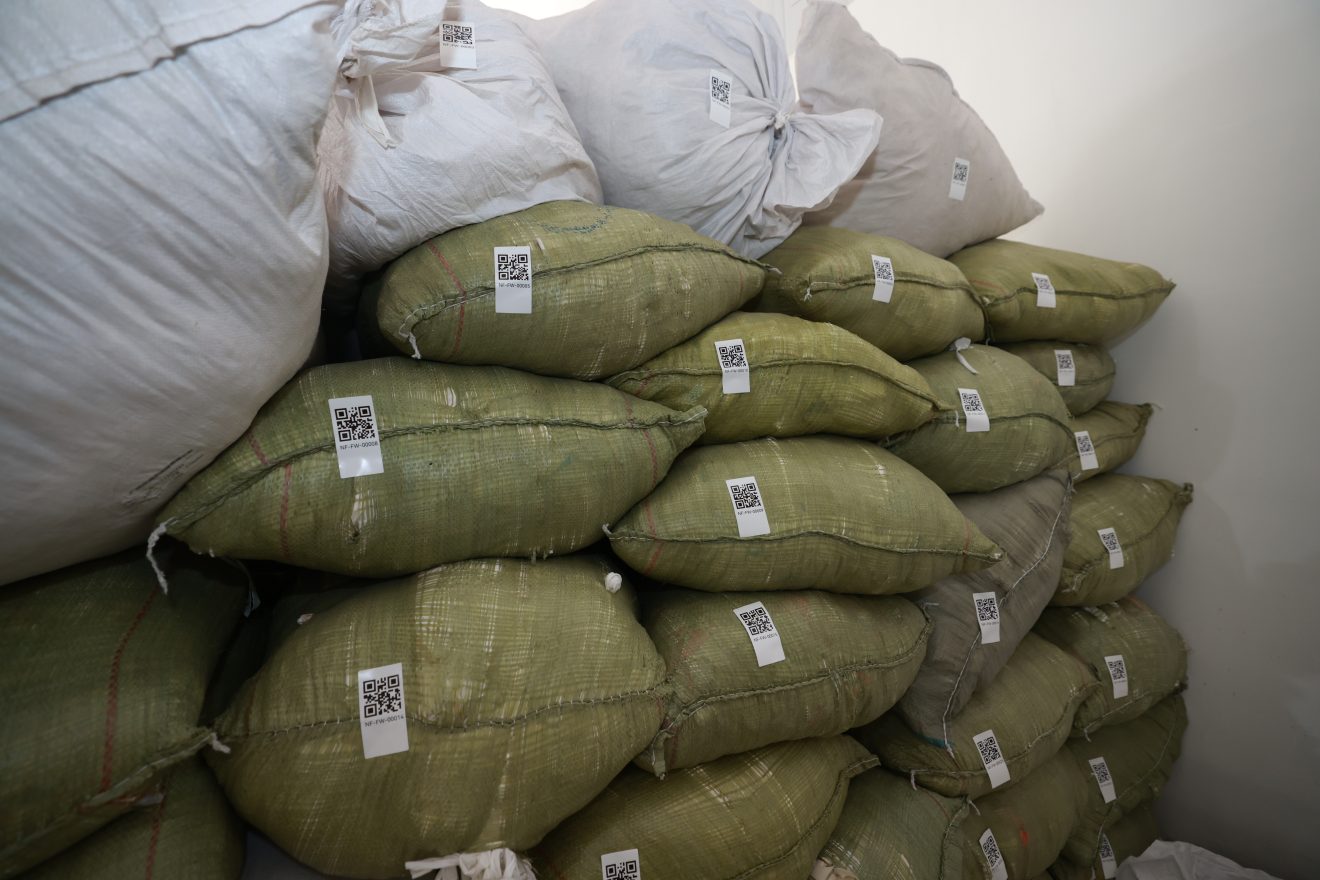
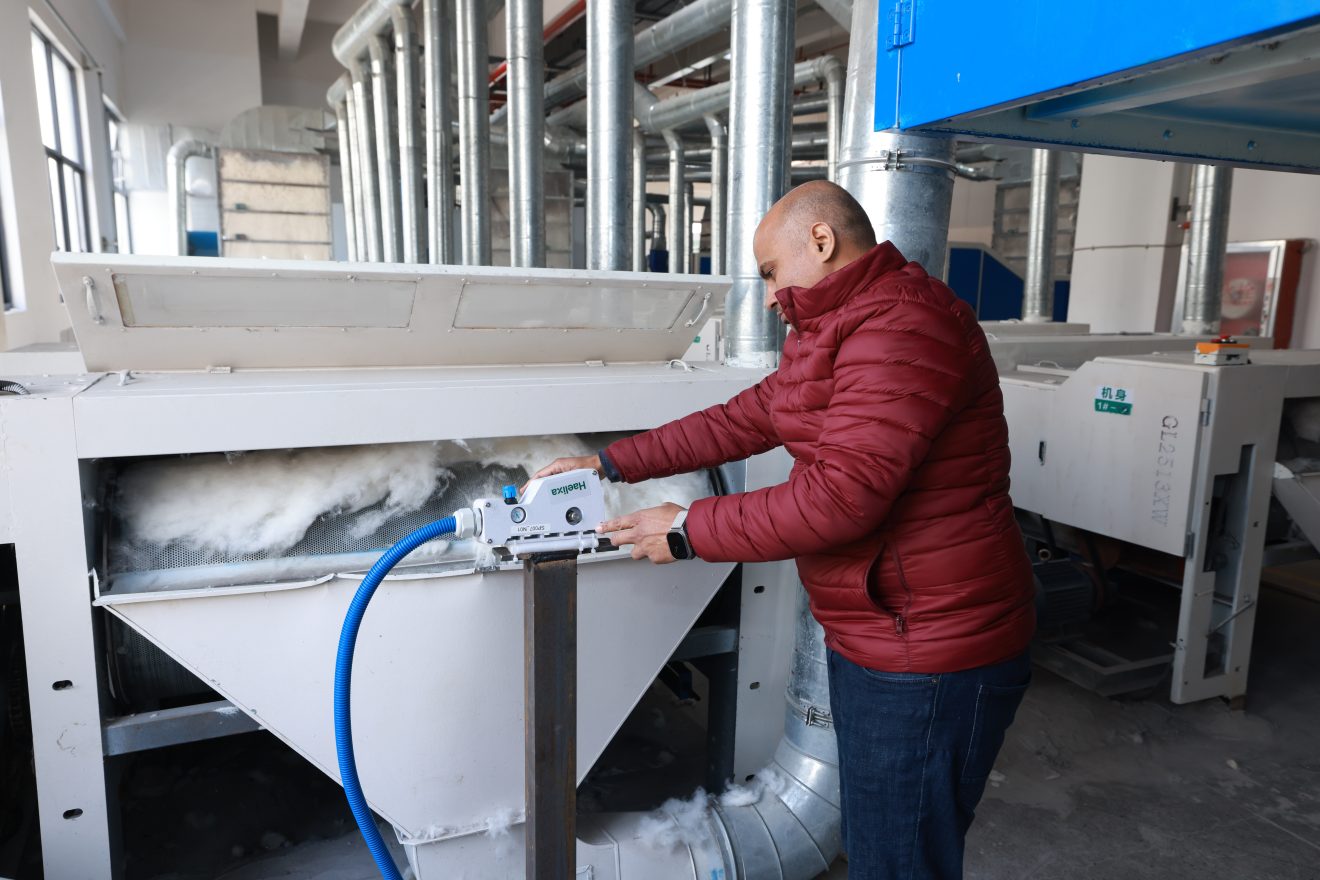
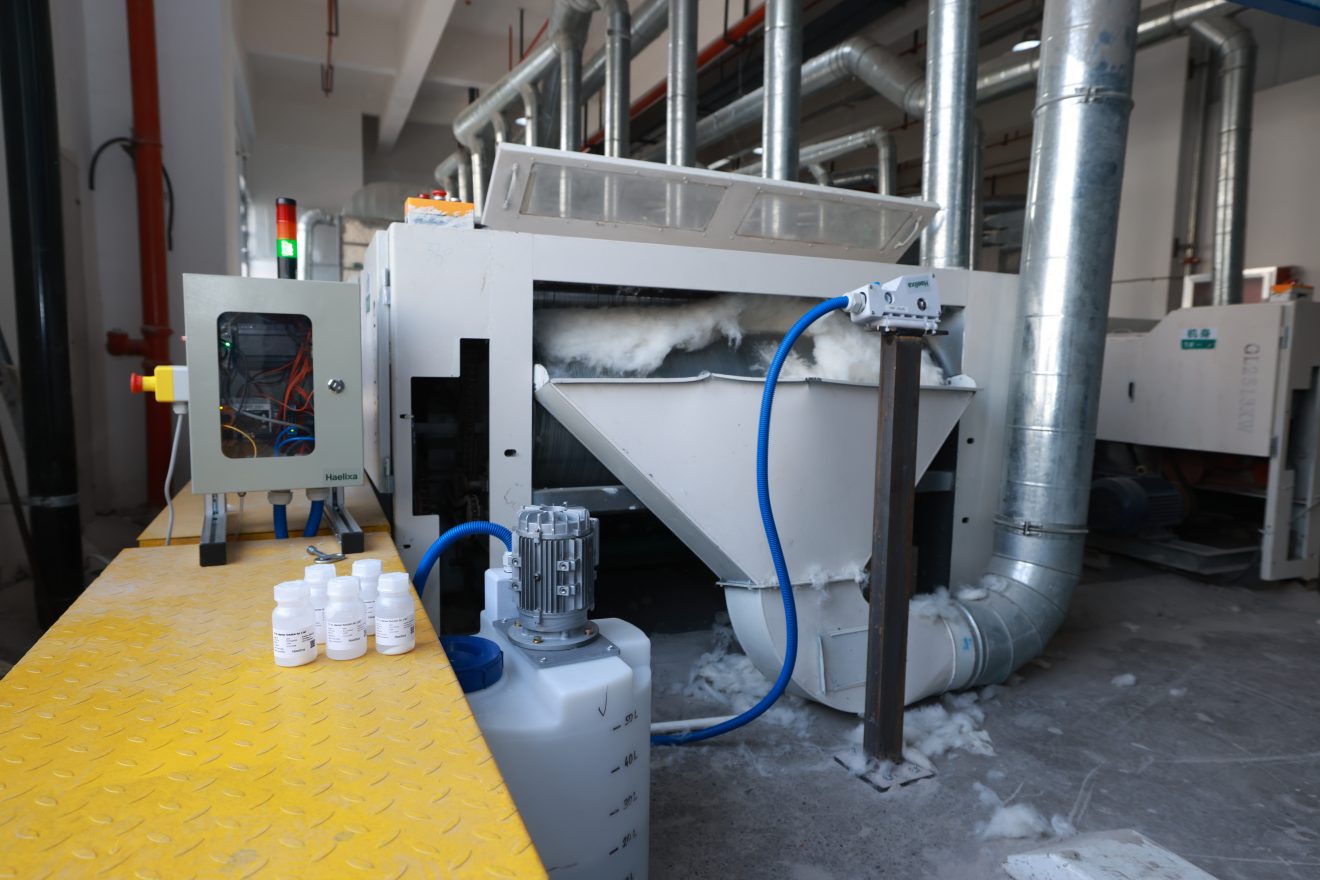
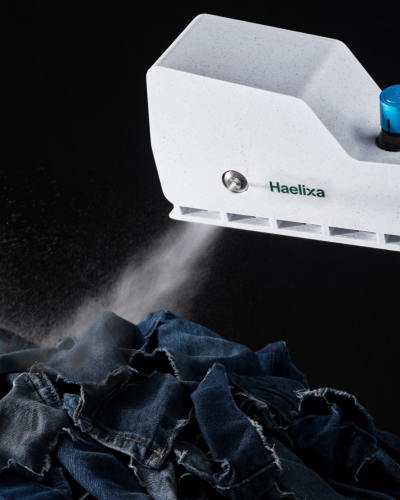
Haelixa’s TraceDNA™ is applied directly to post-industrial and post-consumer cotton waste. This step is critical. By marking the material at its origin, the correct feedstock is locked into the process from the very start.


Key Aspects of the Solution
- DNA markers derived from Swiss mountain herbs.
- Application at the waste stage, prior to fibre breakdown.
- Markers that cannot be removed, copied, or altered.
- Persistence through shredding, spinning, weaving, dyeing, and finishing.
Once integrated, each recycled batch becomes physically identifiable.At any point in the supply chain, samples can be tested in an accredited laboratory using PCR analysis, confirming the presence of the original recycled cotton feedstock.
How it Works in Practice
- Waste input
Post-consumer and post-industrial cotton waste is marked with Haelixa DNA. - Mechanical recycling
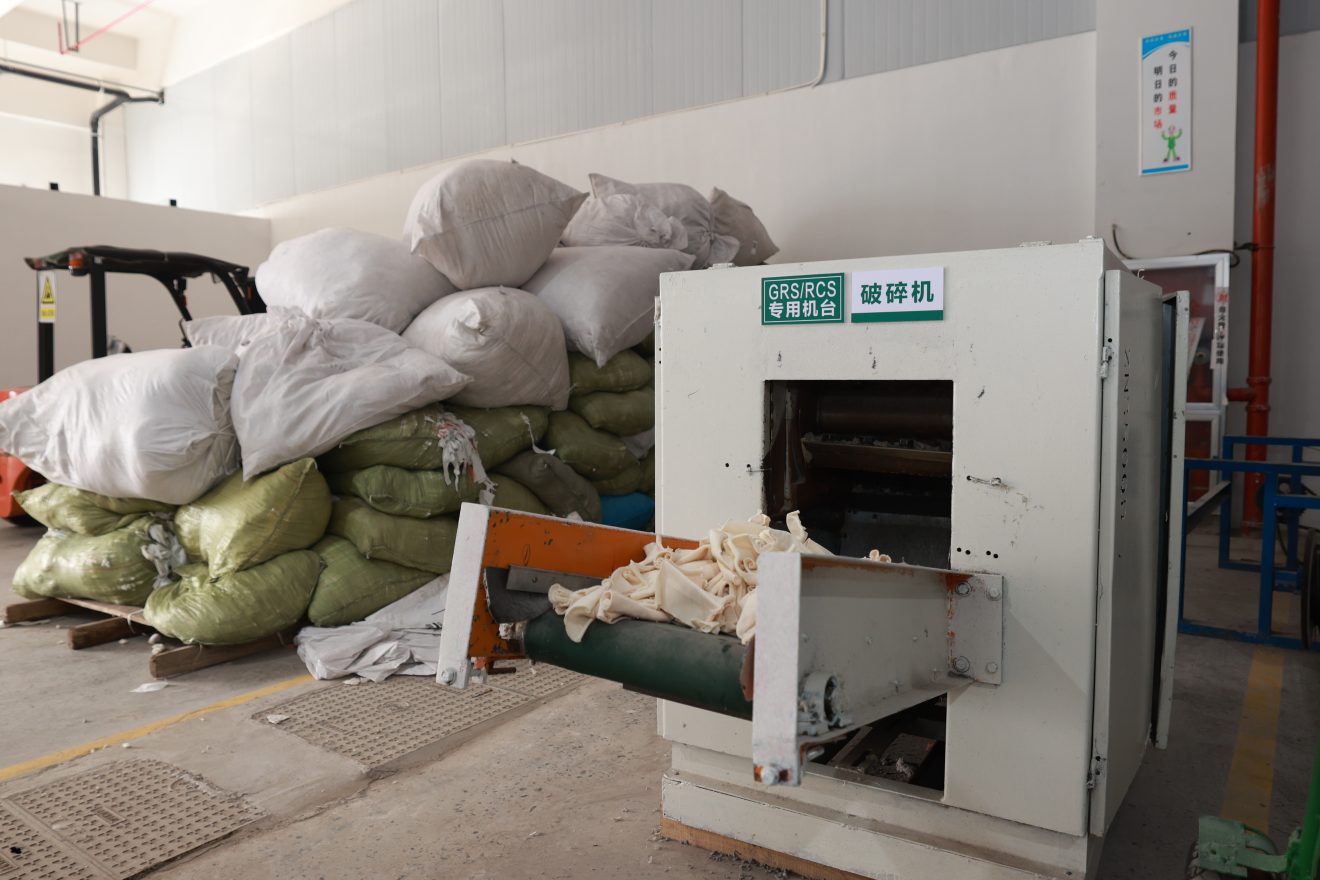
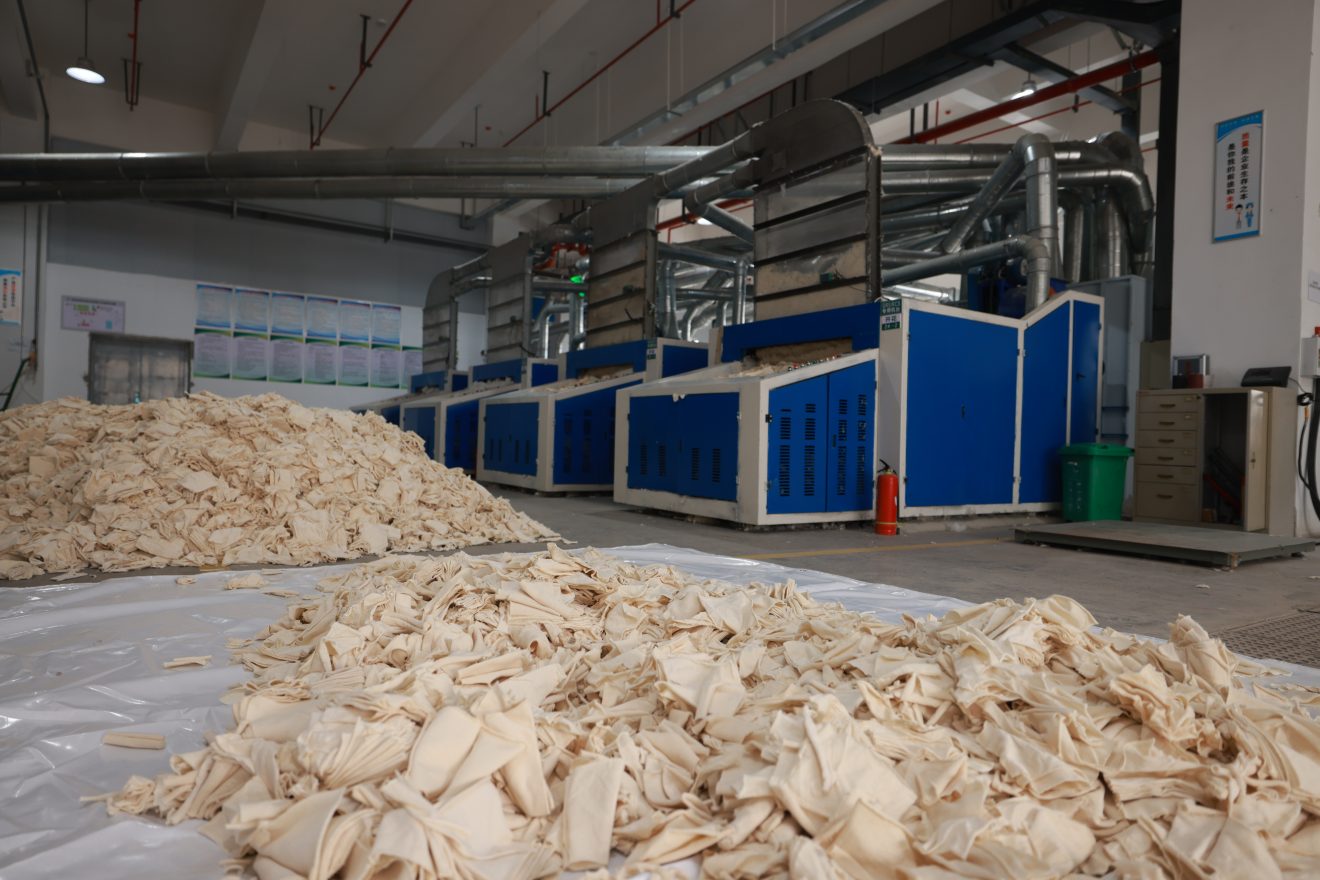
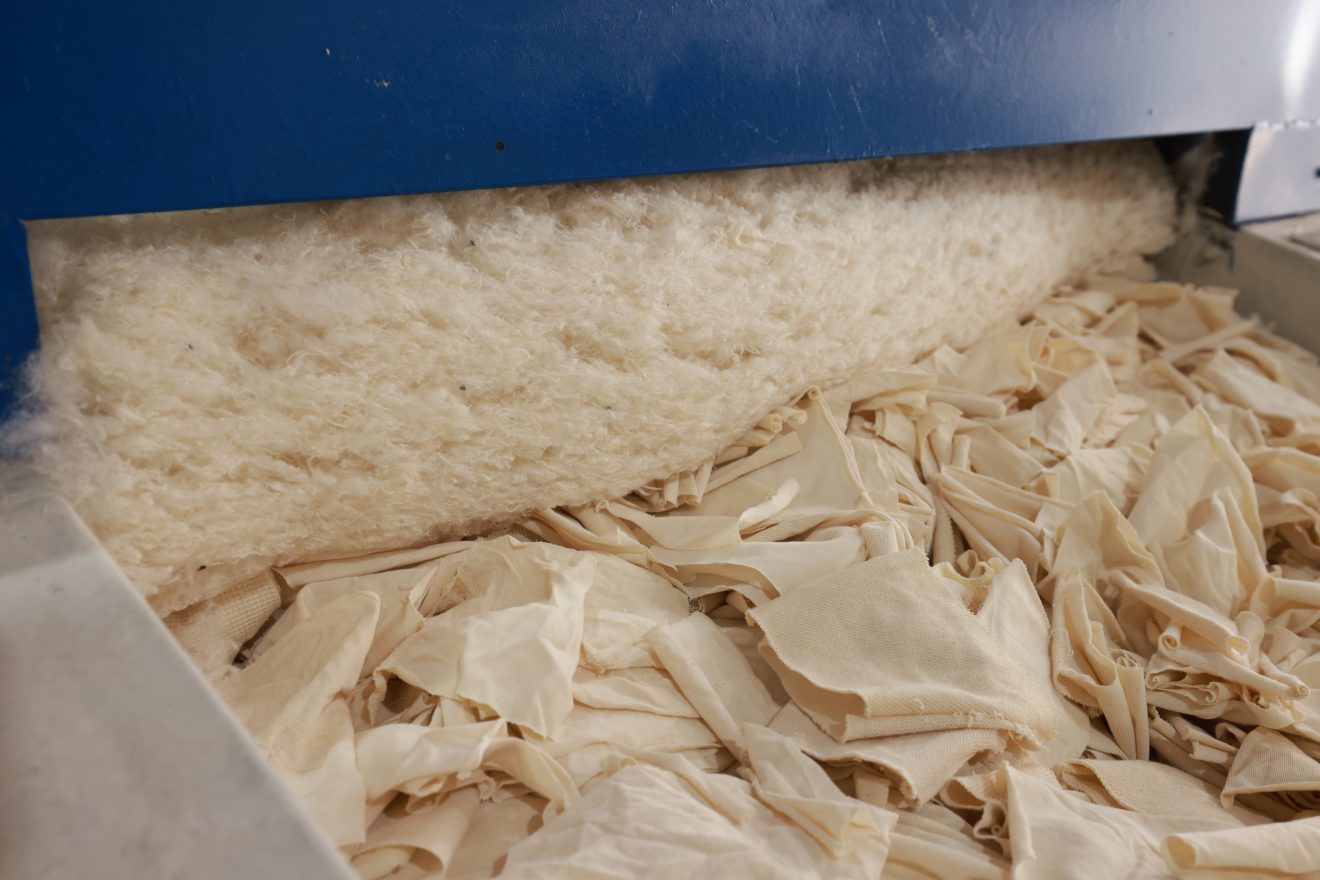
The marked cotton is mechanically recycled into new fibres. - Fabric production
Fibres are spun, woven or knitted, dyed, and finished into fabrics. - Verification
Random or targeted samples are tested to confirm DNA presence and validate recycled content. - Data alignment
Verified batches can be linked to digital systems such as TextileGenesis for documentation and reporting.
The Results
The integration of DNA-based traceability allows New Focus Textiles to scientifically verify recycled cotton content across its operations.
In the initial phase of the partnership, the target is to achieve 250 metric tones (MT) of marked and verified recycled cotton, with the intention to scale to higher volumes as the collaboration progresses.
While global cotton production reaches around 24-25 million tonnes annually, the 2025 Textile Exchange Materials Market Report estimates that recycled cotton accounted for roughly 300,000 tonnes in 2024, or about 1% of total production, highlighting significant potential for growth in circular textile systems.
Unlike conventional certification schemes, Haelixa’s PCR-based verification confirms fibre identity after transformation, even once fibres have passed through dyeing and finishing.
- This provides New Focus Textiles and its customers with:
- Higher confidence in recycled content claims
- Reduced compliance and reputational risk
- Stronger alignment with upcoming EU Digital Product Passport requirements
- A scalable model for evidence-based circular sourcing
Industry Impact
By combining textile-to-textile recycling with physical traceability, this partnership sets a higher bar for recycled cotton credibility.
As regulatory expectations tighten and brands demand proof at material level, DNA-based verification offers a future-ready solution for recycled fibres, not just cotton.
About New Focus Textiles
New Focus Textiles is a specialist manufacturer of recycled cotton fabrics, operating a GRS-certified Textile-to-Textile (T2T™) recycling programme using post-industrial and post-consumer feedstock.
The company focuses on scaling circular materials with integrity, supplying verified recycled fabrics to global brands seeking credible, regulation-ready sourcing solutions.