Recycled Denim Traceability with Soorty and ONLY
Soorty, one of Pakistan’s largest denim manufacturers, marks post-consumer textile waste with Haelixa’s DNA marker before recycling. With Soorty and Haelixa, the fashion brand ONLY uses 20% verified, traceable recycled cotton in its premium denim.

The Challenge
Recycling denim saves waste and resources. But how do we prove what’s truly recycled?
One of the main difficulties with recycled denim is the lack of verification systems. Unlike virgin cotton, recycled fibres originate from various sources, including post-consumer garments and industrial waste, making it complex to monitor their exact provenance.
Additionally, their supply chains are often highly fragmented, involving multiple players in the collection, sorting, and processing stages. This complexity increases the risk of losing crucial traceability information.
Paper certifications do not directly connect to recycled fibres in the supply chain. Without this link, they are inherently vulnerable to unintentional substitution and fraud, undermining their credibility.
Reducing Greenwashing Risk
When the composition of finished products cannot be tracked, sustainability credentials can be misrepresented, which contributes to greenwashing. Verifying recycled content at fibre level is essential for transparent, accountable product claims.


The Solution
Using TraceDNA™, Soorty marks post-consumer waste with a DNA marker, so recycled cotton can be verified at every step of the recycling and production process. Marking before shredding ensures that the correct feedstock enters the supply chain and prevents substitution.
After mechanical recycling, the marked waste is turned into fibres and made into garments. Samples of these garments are tested in Haelixa’s laboratory for the DNA marker. Once validated, Soorty can state with confidence that its garments contain the marked recycled cotton.
How recycled denim is verified
Recycled denim can be verified by marking post-consumer textile waste with a DNA marker before it is shredded. The marker stays in the fibre through recycling, spinning, dyeing and garment making, so a sample from the finished jeans can be tested to confirm that it contains the marked recycled cotton.
The Results
Physical traceability verifies that Soorty’s recycled materials come from marked post-consumer waste. The DNA marker preserves fibre identity at every supply chain stage, confirming the authenticity and integrity of the recycled content, so customers can trust that sustainability claims are accurate and verifiable.
With PCR-based DNA verification, Soorty can confirm fibre identity even after spinning, dyeing and garment manufacturing, going beyond paper-based certifications. This strengthens Soorty’s credibility in recycled denim, and as consumer demand for transparency grows, collaborations like this help build a more accountable fashion sector.
This project uses TraceDNA™, Haelixa’s DNA-based solution for supply chain traceability.
About Soorty
Soorty Denim is one of Pakistan’s largest vertical denim manufacturers, with strong recycling capabilities and a focus on innovation and sustainability. The company supplies denim to leading global fashion brands and retailers and is recognised for its eco-friendly production processes, ethical labour practices and use of organic and recycled materials.
With vertically integrated infrastructure across Pakistan and Bangladesh, Soorty offers LEED-certified production, co-creation facilities and design centres in global fashion hubs. Both its denim mill and garment factory hold LEED Platinum and Cradle to Cradle Gold certifications.


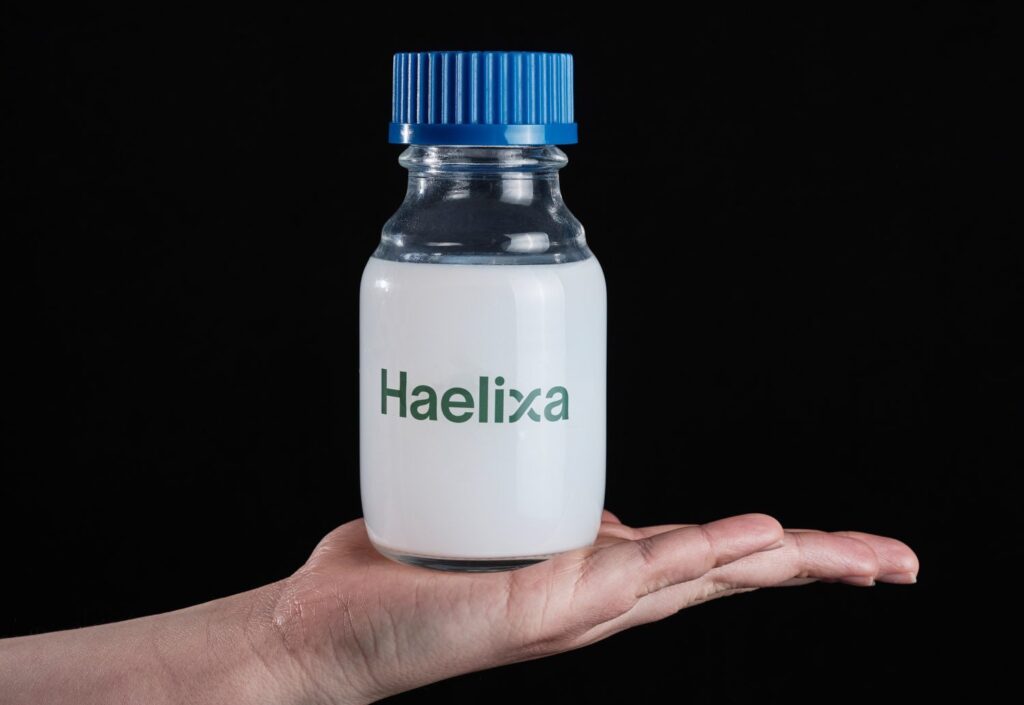


Haelixa’s DNA markers are applied to the denim waste before it is turned into garments to ensure that the correct feedstock enters the supply chain and to prevent substitution.