ProofDNA™
ProofDNA™ is a DNA authentication solution for luxury goods. An invisible DNA marker, embedded at material level, gives Maisons forensic proof of authenticity that cannot be copied or removed.

Trusted by


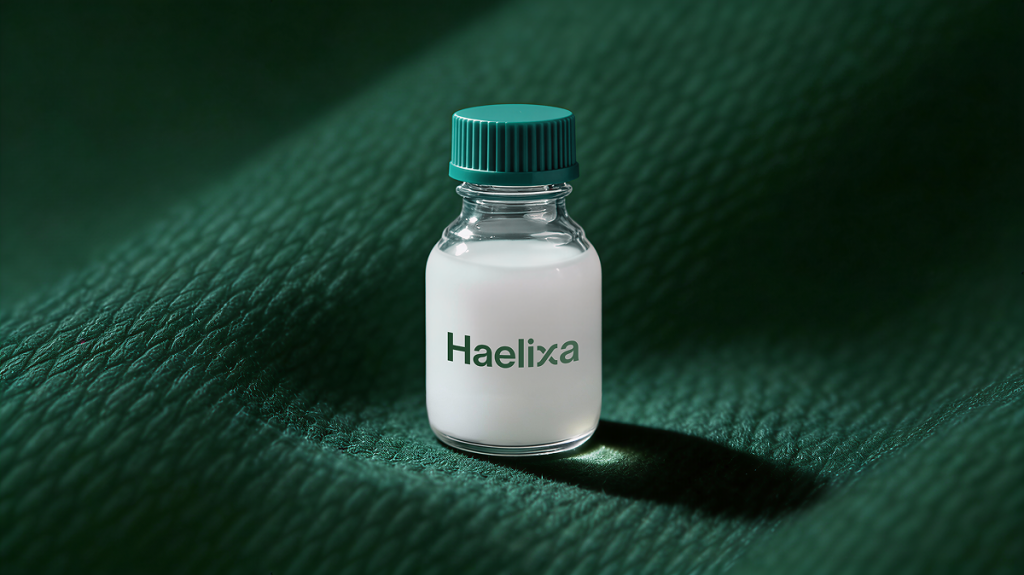
Unique DNA markers are applied to materials, components or finished products, depending on the manufacturing process. Invisible to the eye, they enable on-demand authenticity verification through a simple swab and forensic qPCR testing.


How it works


1. Marking
Invisible DNA markers are applied to materials, components or finished pieces at an agreed stage of production, without affecting their appearance.
2. Distribution
Products enter circulation with embedded forensic proof.
3. On-demand verification
Authentication is verified via a simple swab and forensic test, with results available within minutes.
4. Record and certify results
Verification outcomes are documented in Certificates of Analysis (COA) and shared securely.
1. Application
Invisible DNA markers are bound directly to leather goods during or after the manufacturing process.
2. Distribution
Products enter circulation with embedded forensic proof.
3. On-demand verification
Authentication is verified via a simple swab and forensic test, with results available within minutes.
4. Record and certify results
Verification outcomes are documented in Certificates of Analysis (COA) and shared securely.
1. Tagging
Invisible DNA markers are applied directly to the artwork, binding securely to the surface without altering its appearance or integrity.
2. Gallery Display
The artwork is displayed or enters circulation with embedded forensic proof of authenticity, remaining invisible to the eye.
3. Verification
Authenticity can be verified at any time through a simple swab and forensic test, with results available within minutes.
Authenticity is the foundation of luxury.
We can authenticate a wide range of luxury products. From jewellery, watches and leather bags to limited-edition fashion and pieces of art.
- Luxury goods are increasingly targeted by sophisticated counterfeits.
- Documentation and serial numbers can be forged.
- Digital tracking technology such as Blockchain or NFC alone cannot prove physical product authenticity.
- Brands and consumers request verifiable forensic proof of authenticity.
- High-quality fakes flood the luxury market.
- Super clones are difficult to identify, even for experts. Existing authentication methods are often slow, costly or inconclusive.
- Counterfeits erode sales, brand equity and client trust.
- Brand equity and consumer’s trust erode rapidly.
- Protecting brand reputation & customer trust requires proof beyond certificates.
- Unique DNA markers are applied directly to the physical product.
- Invisible and harmless. The DNA marker is highly secure and cannot be removed.
- Forensic qPCR testing verifies the presence of the expected DNA marker.
- Suitable for applications across watches, jewellery, fashion and leather goods.
- Application is tailored to the material and manufacturing process to preserve appearance and product properties.
- Brands retain control over when verification takes place and how results are communicated.
- Help detect counterfeits through science-backed verification of marked products.
- Reinforce brand protection with an additional physical layer of authentication.
- Support confidence in both primary and secondary markets.
- Enable on-site verification within minutes using the ProofDNA™ Reader.
- Support informed decisions at retail, resale, returns and after-sales touchpoints.
How do you prove authenticity and origin beyond documentation?
Download our Whitepaper
Download our COUNTERFEITING IN LUXURY Whitepaper.
- The real cost of luxury counterfeiting
- Why traditional authentication methods fail
- How DNA markers prove product authenticity
Testimonial









Customer success stories


Frequently asked questions
An invisible DNA marker is applied to the watch or its components at an agreed stage of production. To verify it, a swab sample is taken from the watch and tested with forensic qPCR, on site with the ProofDNA™ Reader or in a certified laboratory. On-site results are available within minutes, and verification outcomes are documented in a Certificate of Analysis (COA).
An invisible DNA marker is bound to the leather during or after manufacturing. To verify a bag or accessory, a swab sample is taken from the leather and analysed with forensic qPCR, on site with the ProofDNA™ Reader or in a certified laboratory. The marker doesn’t affect the look or feel of the leather.
ProofDNA™ is used for watches, jewellery, leather goods, limited-edition fashion and art. DNA marking can be applied to materials, components or finished pieces, and the application is tailored to each material and manufacturing process. Haelixa’s DNA technology is also used in gemstone and gold supply chains, with partners such as Provenance Proof and Argor-Heraeus.
Labels, serial numbers and digital records describe a product. A DNA authentication marker sits inside the material. It is invisible, highly secure and cannot be removed, and it is built to be resistant to wear, handling and environmental exposure. Verification gives forensic proof of authenticity tied to the object itself, not to a document or a database.
Superfakes copy what can be seen: materials, finishing, serial numbers, packaging and papers. Visual inspection and documents can only compare a piece with what a genuine product looks like. Forensic verification checks for something a copy does not carry: the DNA marker inside the marked material. A piece without the expected marker fails verification
Blockchain records a claim. ProofDNA™ verifies the object. Digital records, NFC tags and serial numbers identify a product or store its history, but they can be removed, copied or linked to the wrong item. The DNA marker sits inside the material and provides physical verification of the product itself. The two approaches work well together: a DNA marker can link a physical piece to its digital record, as in Gübelin’s Provenance Proof.
No. The DNA marker is invisible and doesn’t affect quality. Application is adapted to the material and the manufacturing process, so the look, feel and properties of each piece are preserved.
Yes. The Haelixa marker is built with natural DNA sequences. It is harmless, vegan and biodegradable, and is recognized as safe by the FDA (GRAS notice).
The DNA marker is extremely stable and is designed to remain detectable throughout the lifetime of the product. As long as the marked material exists, it can be verified with a forensic test.
Resale depends on trust in the object, not only in its papers. Where the Maison allows it, resellers and resale platforms can have a marked piece verified with a forensic test, giving buyers and sellers proof that it is genuine at any point in its life.
The Maison does. Each brand decides at which touchpoints verification takes place, such as retail, resale, returns or after-sales service, and how results are shared with clients and partners.
Yes. Verification with forensic qPCR produces documented evidence, recorded in a Certificate of Analysis, that can support enforcement actions, customs seizures and legal proceedings.