TraceDNA™
TraceDNA™ gives brands, manufacturers and recyclers forensic proof of material origin. An invisible DNA marker is applied to cotton, cashmere, recycled fibres and other raw materials at source, and verified at any stage of the supply chain, from fibre to finished product.
Our Clients & Partners






Receive the premium-quality materials you sourced and paid for – forensically verified.
How it works
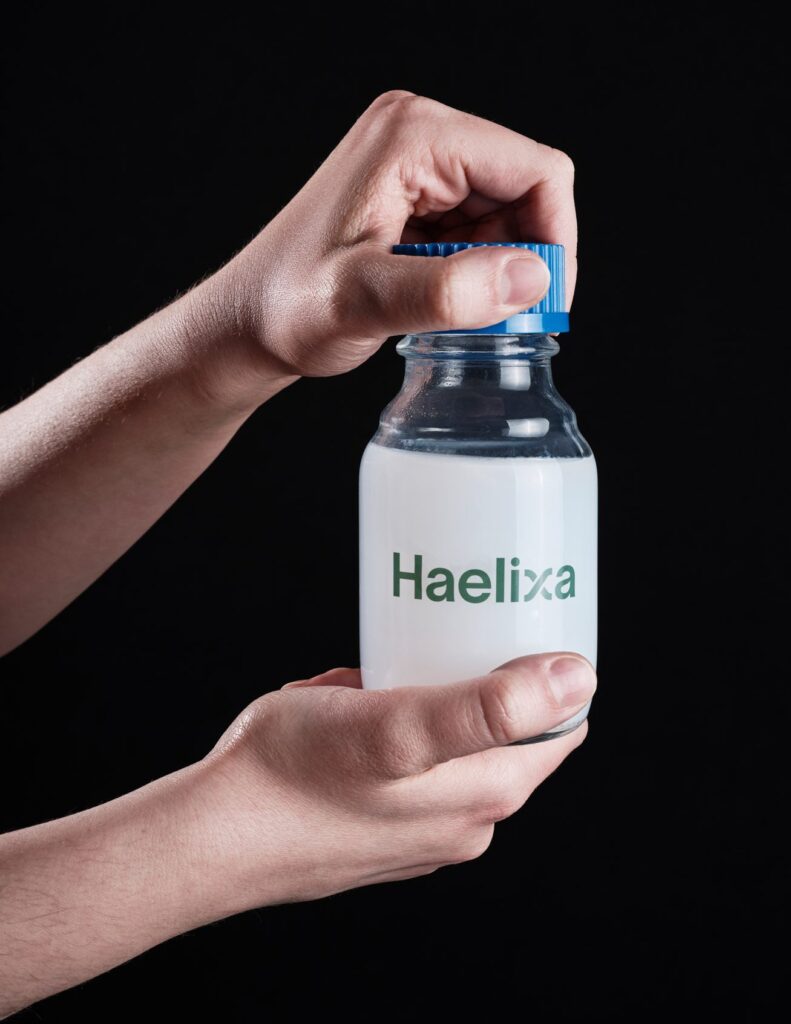
Haelixa applies a unique DNA marker, built with natural DNA sequences, directly to raw materials such as cotton, cashmere or recycled fibres. The marker is invisible, harmless, highly secure and cannot be removed.
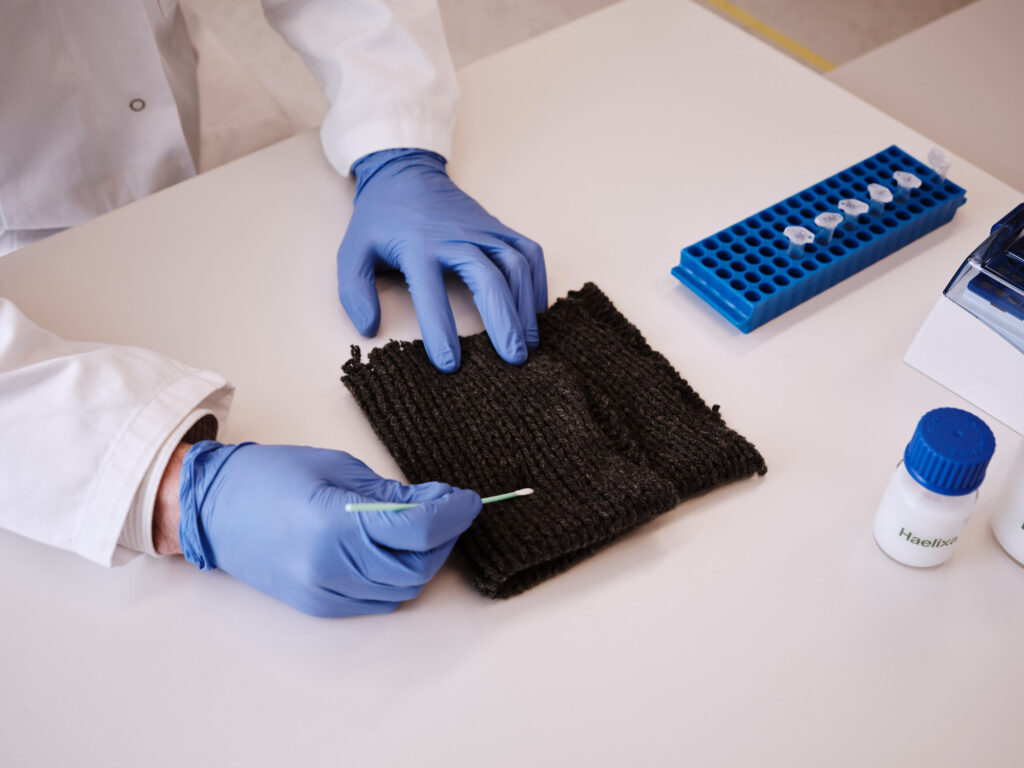
Samples can be taken at any stage of the supply chain, from fibre and yarn to fabric and finished garment, and tested with forensic qPCR in certified laboratories. The marker is detectable even in very small quantities.
Test results, documented in a Certificate of Analysis, give brands and manufacturers forensic proof to support origin, organic and recycled content claims and to demonstrate regulatory compliance.
Communicate with honesty, integrity, and pride, backed by science and transparency through the Haelixa technology.
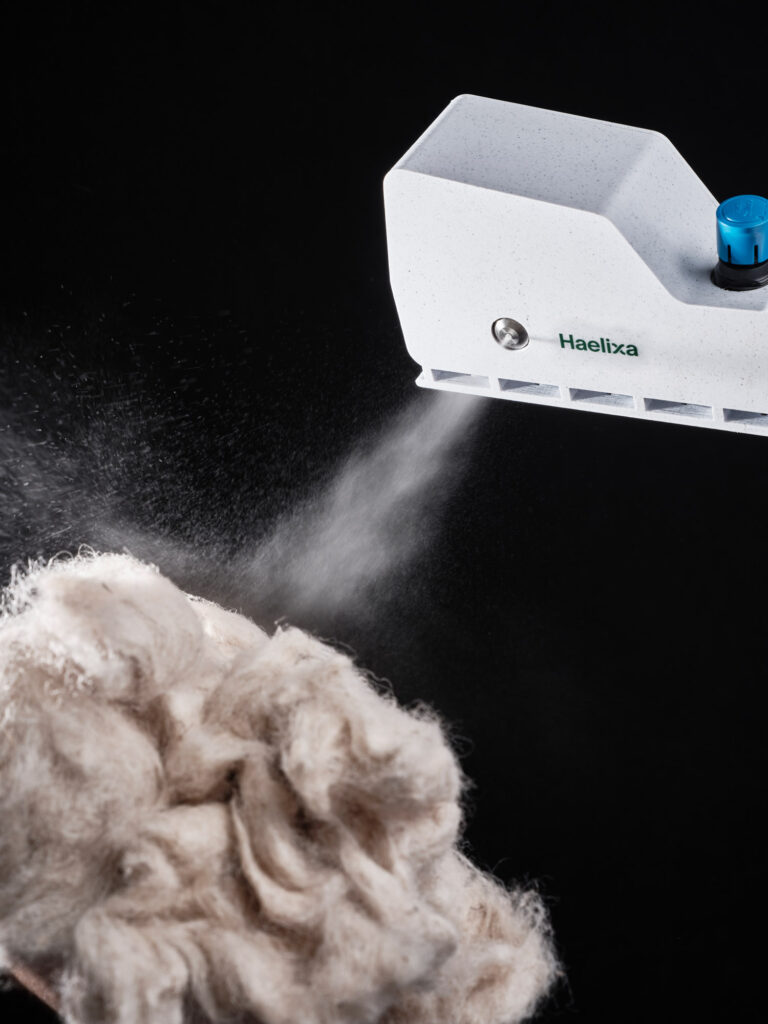
The DNA marker is applied with a simple spray process that fits into existing production, with no extra equipment needed.

Fibre and material types
We use forensic DNA technology to enable traceability across various fibres and materials.
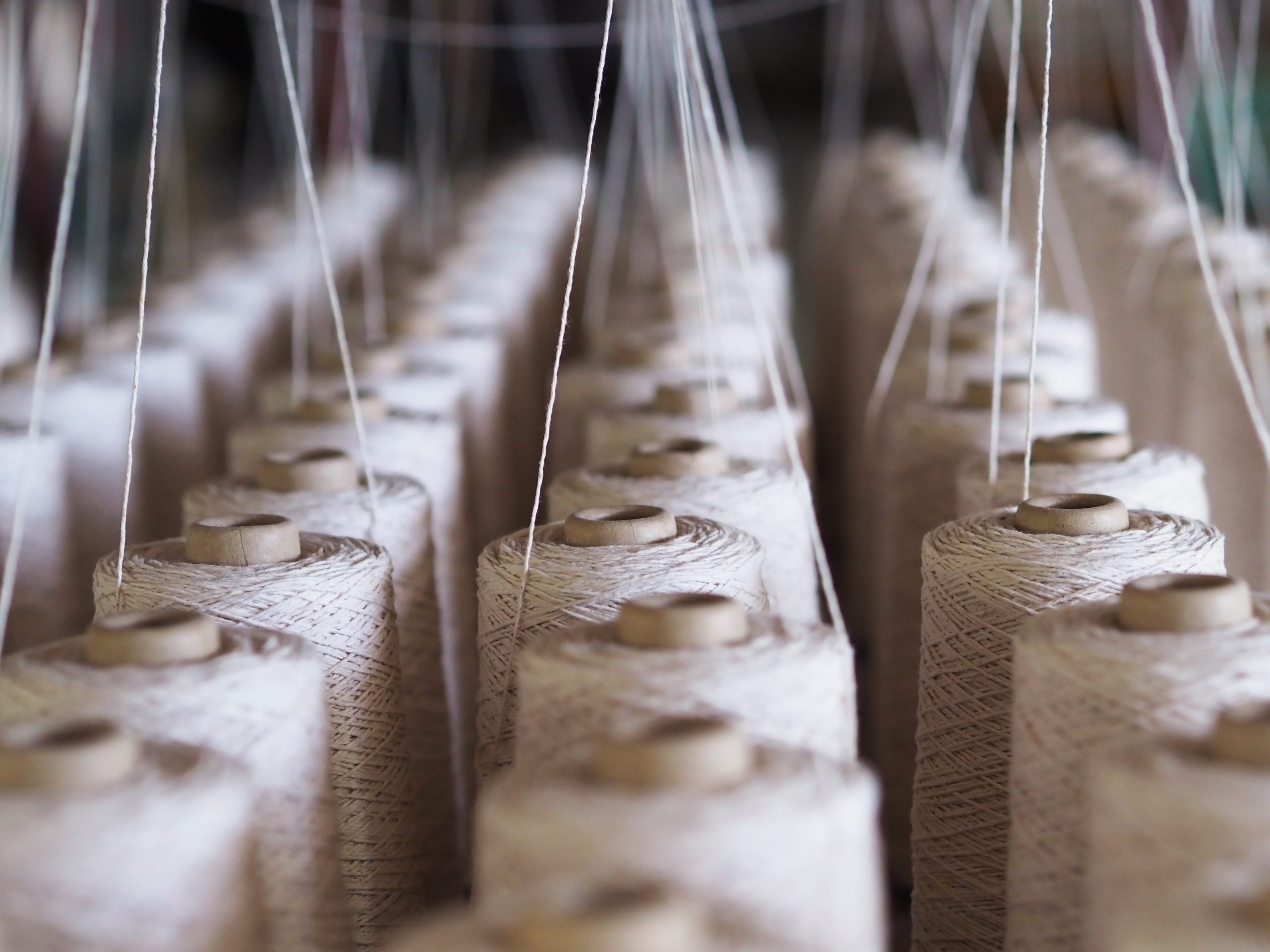
- Verify the origin and ethical production of textile fibres, such as organic and regenerative cotton, silk, and cashmere.
- Strengthen GRS claims by verifying the origin of recycled feedstock.
- Verify the origin claims of next-generation materials.
- Ensure compliance with sustainability standards and regulations.

- Ensure responsible mining practices.
- Support conflict-free and fairtrade certifications.
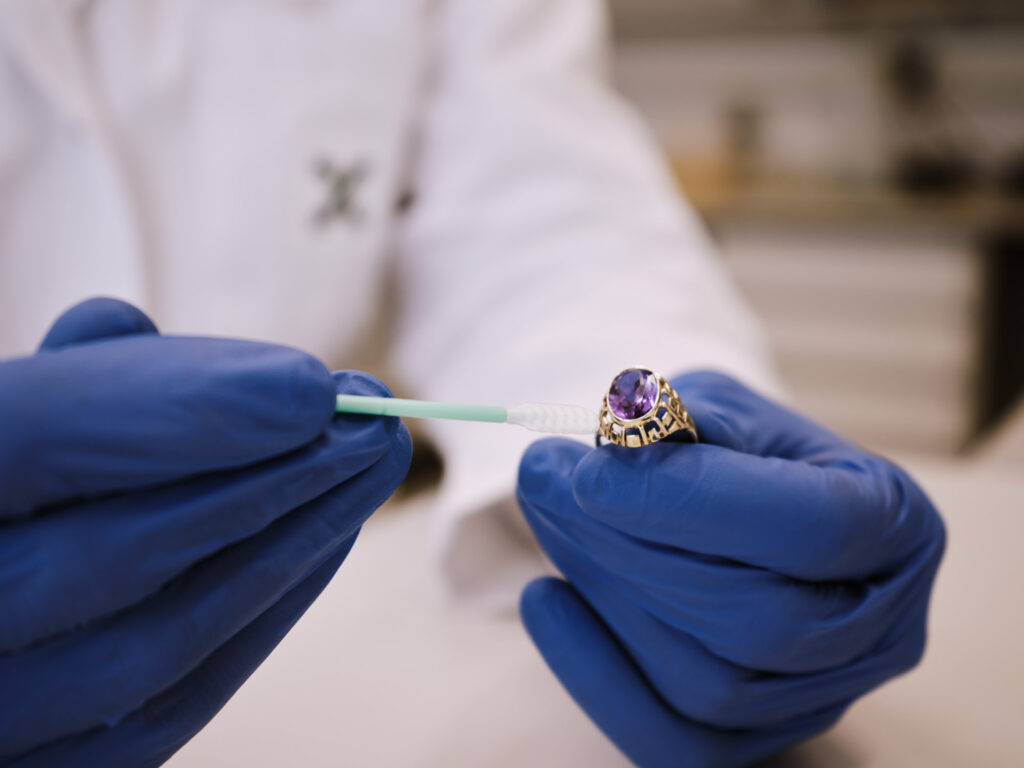
- Assure ethical sourcing and conflict-free status.
- Authenticate the origin and quality of diamonds and coloured gems.
- Enhance brand value with traceable luxury products.
Supply Chain Traceability
Explore how traceability strengthens supply chains by addressing industry pressures, overcoming key challenges, and enabling reliable proof of origin.
- Global supply chains are complex and fragmented.
- Documentation alone is not enough to verify origin.
- Brands need physical proof of material authenticity.
- Material can be substituted or blended at any processing stage.
- Certificates and transaction records can be falsified or lose their link to the physical material.
- DNA marker applied at raw material origin.
- DNA survives spinning, dyeing, bleaching and manufacturing.
- Forensic testing enables verification at any stage.
- Seamless integration in production process, no extra equipment needed.
- Science-based proof of origin.
- Authenticates recycled content.
- Helps prevent fraud and greenwashing.
- Scalable across global supply chains.
How do you prove traceability and origin beyond documentation?
Download our whitepaper
Gain insights and data driven facts on
- Building consumer trust with transparency
- The reliability of DNA technology
- Strategies for meeting sustainability goals
Ensuring authenticity in recycled materials
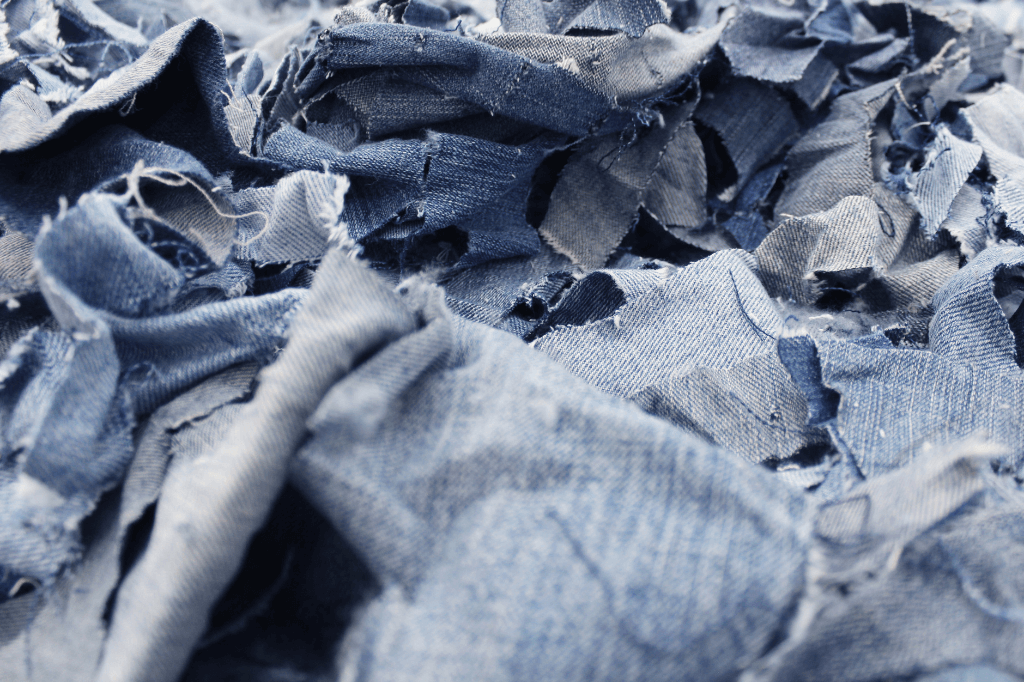
Haelixa TraceDNA™ ensures that recycled fibres can be forensically authenticated. By marking post-consumer waste at the very beginning of the recycling process, we give the waste a unique, traceable identity. This identity is verified at different production stages and certified in the final product, preventing greenwashing and supporting compliance with global sustainability regulations.






Customer success stories











Frequently asked questions
DNA-based textile traceability links a material to its verified origin through a marker inside the fibre itself. Haelixa applies an invisible DNA marker to raw materials such as cotton, cashmere, silk or recycled fibres. The marker travels with the material through every processing step, and forensic testing confirms its presence at any stage, from yarn to finished product.
The DNA marker is applied to the cotton at source, with a simple spray process that fits into existing production. Samples can then be taken at any point, from fibre and yarn to fabric and finished garment, and tested with forensic qPCR. A positive result confirms that the cotton is the material that was marked at origin.
Haelixa, a Swiss spin-off of ETH Zurich founded in 2016, provides forensic verification of cotton origin with TraceDNA™. The technology is used in cotton supply chains for brands including C&A, OVS and HUGO BOSS, with testing carried out in certified laboratories.
Certificates describe where cashmere should come from. A DNA marker applied to the fibre at source makes that origin verifiable in the finished product. Haelixa’s work with FTC shows how premium cashmere can be forensically verified from raw fibre to final garment.
Post-consumer waste is marked with a DNA marker at the very beginning of the recycling process. The marker is then verified at different production stages and confirmed in the final product. This gives recycled content a traceable identity and supports GRS and other recycled claims with forensic evidence, as in Haelixa’s work with Soorty on recycled denim.
Yes. The DNA marker is encapsulated to protect it and is built to be resistant. It remains detectable after spinning, dyeing, bleaching, washing and other textile processing, on both natural and synthetic fibres.
Paper certifications can be duplicated. A DNA marker cannot. Certificates, transaction records and blockchain describe a material’s journey, but they rely on the data entered into them. A DNA marker inside the fibre provides physical verification of the material itself. Both work well together: the marker confirms that the physical material matches its digital record.
Samples are analysed with forensic qPCR in certified laboratories, following Haelixa’s guidelines. Results are delivered within five business days in a Certificate of Analysis (COA), which can be used for audits, sustainability claims and regulatory compliance.
Yes. The Haelixa marker is built with natural DNA sequences. It is invisible, harmless, vegan and biodegradable, recognized as safe by the FDA (GRAS notice), and compliant with GOTS, OEKO-TEX® STANDARD 100 and ECO PASSPORT. It does not affect the look, feel or quality of the product.
New regulations and Digital Product Passports require brands to back up origin and sustainability claims. TraceDNA™ adds physical evidence to that data: forensic test results confirm that the material in the product matches what the documentation says.
Yes. With Gübelin’s Provenance Proof, Haelixa developed a DNA-based tracer that makes a gemstone’s journey from mine to market verifiable. In gold, Haelixa works with Argor-Heraeus to make the origin of gold verifiable down to individual mines.
To date, Haelixa’s DNA marker has been applied to 42,000 tons of material, making 66 million products traceable, with a verified sales value of €2.5 billion.